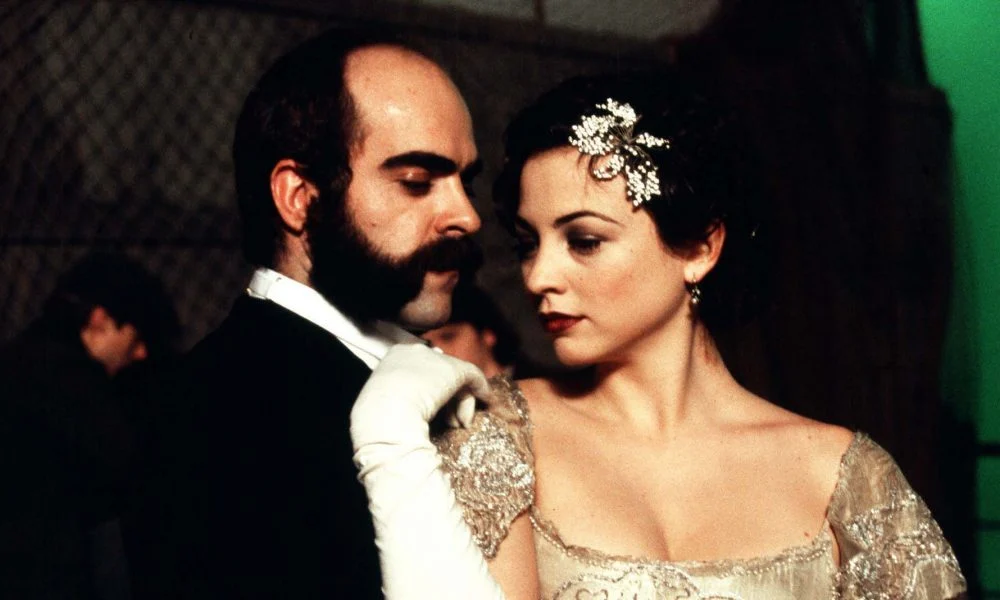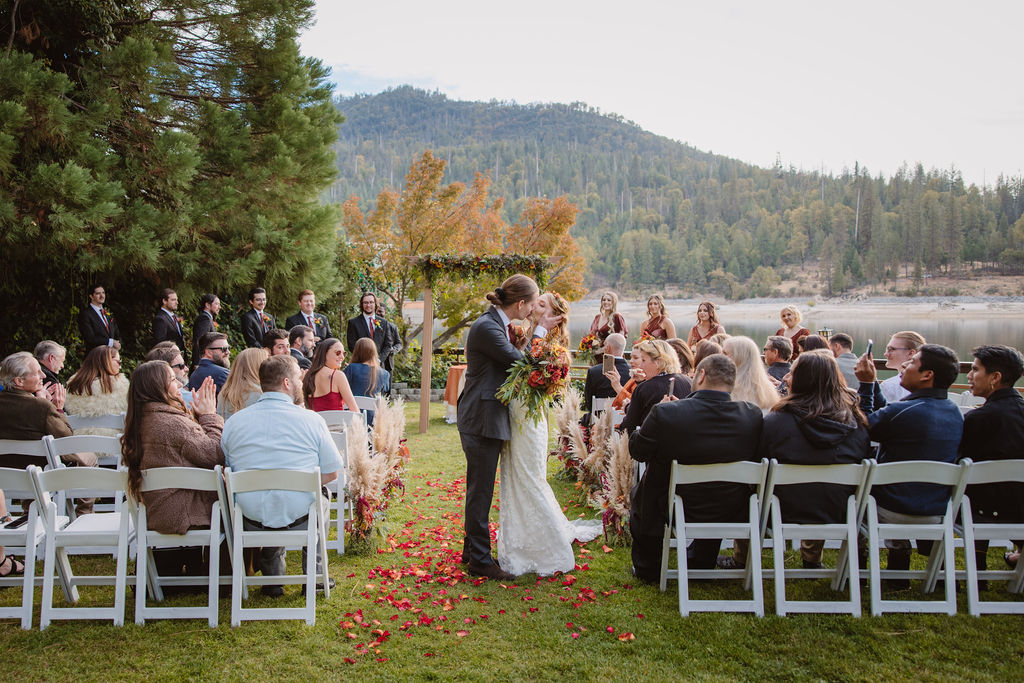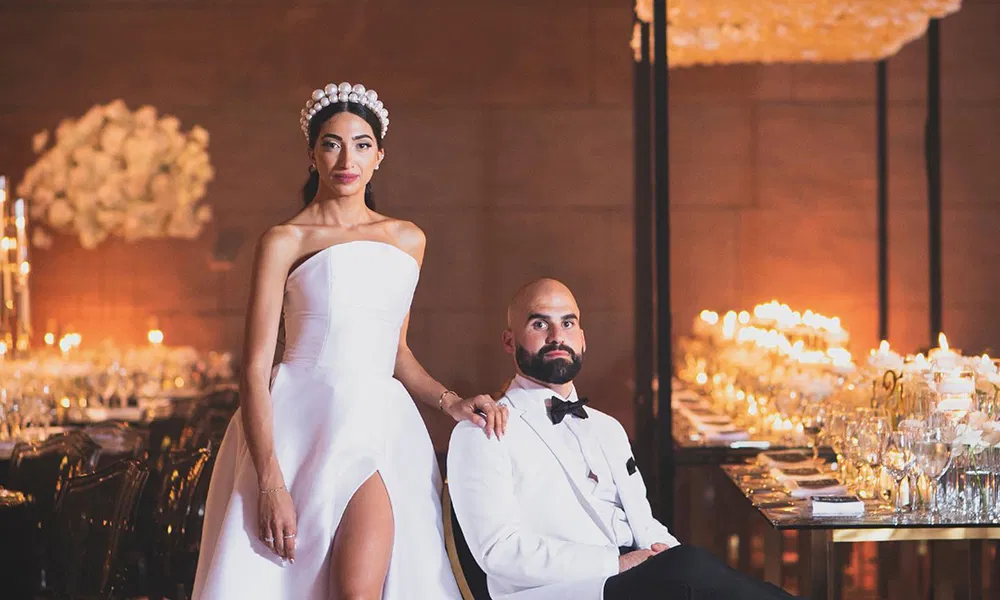
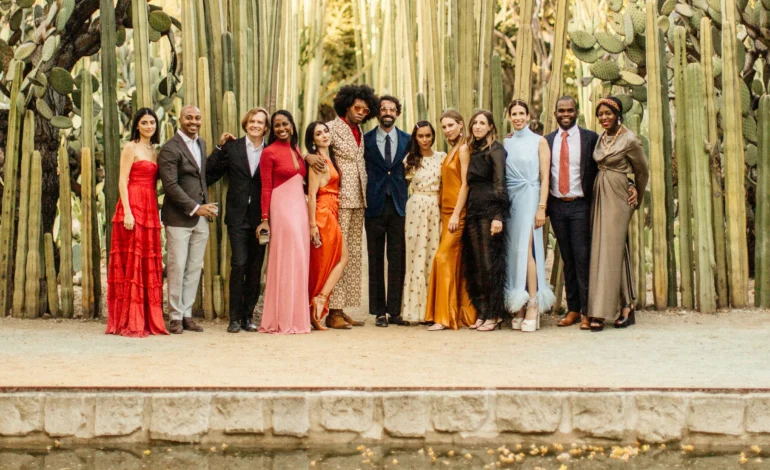

Choosing a formal wedding attire dress in 2026 means opting for a floor-length gown or a very sophisticated, tailored midi dress. This dress code is a step below Black Tie but still requires guests to avoid casual fabrics like cotton or short, “club-style” silhouettes. For women, rich textures like velvet, heavy satin, or intricate lace are standard, ensuring the look is refined enough for an upscale evening ceremony or a grand ballroom reception.
The key difference between ‘formal’ and ‘black tie’ is that formal gives slightly more flexibility. A black-tie event almost always requires a floor-length gown. A formal wedding allows for a well-chosen formal midi or even a beautiful formal jumpsuit alongside the full gown option.
Dress Code Hierarchy at Weddings
| Dress Code | What It Means | Appropriate Attire for Women |
|---|---|---|
| Casual | Relaxed, outdoor, daytime | Sundress, nice jeans + blouse, flats or sandals |
| Semi-Formal | Dressier than everyday but not full formal | Cocktail dress (knee length), midi dress |
| Formal / Black Tie Optional | Elegant event, significant occasion | Floor-length gown or formal midi dress |
| Black Tie | Very formal, evening event | Floor-length gown strongly expected |
| White Tie | Most formal possible | Full ballgown required |
Best Dress Options for a Formal Wedding
| Dress Style | When It Works | Color Guidance |
|---|---|---|
| Floor-length A-line gown | Always appropriate for formal weddings | Any elegant color except white/ivory |
| Column / sheath gown | Evening formal weddings; sleek and sophisticated | Navy, black, champagne, jewel tones |
| Formal chiffon maxi | Warm weather or daytime formal | Blush, sage, dusty blue, coral |
| Structured midi dress | Works if fabric is luxurious (satin, silk, crepe) | Rich colors, metallics |
| Formal pantsuit | Modern, chic alternative; increasingly accepted | Black, white, navy, deep green |
| Two-piece formal set | Works if both pieces are clearly formal quality | Jewel tones, neutrals, metallics |
Colors to Wear – and What to Avoid
- Wear: Navy, burgundy, forest green, dusty rose, champagne, gold, silver, black, deep plum.
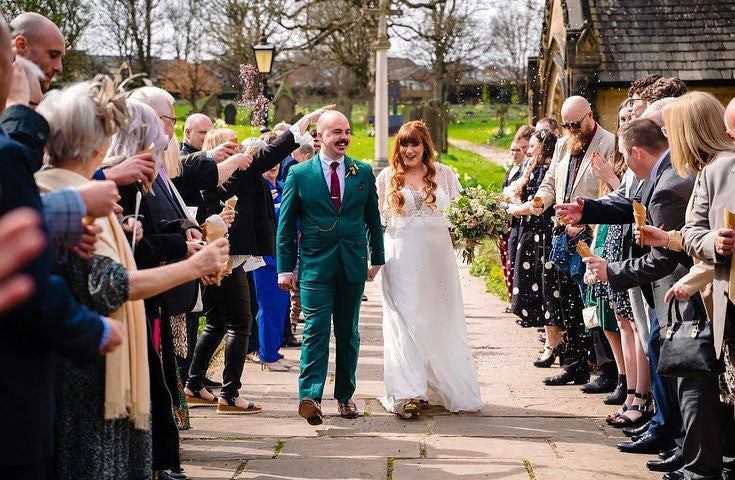
- Avoid: White, ivory, and cream – traditionally reserved for the bride and too close in appearance.
- Avoid: Overly casual colors like bright neon or washed-out pastels that don’t read as formal.
- When in doubt: A classic navy or black gown is always correct at any formal wedding.
Fabric Guide for Formal Events
| Fabric | Formal Appropriate? | Notes |
|---|---|---|
| Silk / charmeuse | Yes – ideal | Luxurious drape; elevates any silhouette |
| Satin | Yes | Best for structured gowns; slightly dressy sheen |
| Velvet | Yes – especially autumn/winter | Rich texture that reads as very formal |
| Chiffon | Yes | Flowing and feminine; great for layered gowns |
| Lace | Yes | Elegant overlay or full lace; timeless for weddings |
| Jersey / stretch | Sometimes – depends on cut | Only works if heavily structured and clearly formal |
| Cotton / linen | No | Too casual regardless of cut or color |
Shoes and Accessories for a Formal Wedding
- Shoes: Strappy heels, satin pumps, elegant block heels, or metallic sandals. Avoid casual flats, boots, or platform sneakers.
- Bag: A clutch or small evening bag. Not a tote, backpack, or casual crossbody.
- Jewelry: Elegant and intentional – chandelier earrings, a statement necklace, or a delicate bracelet. Not all three at once.
- Hair: Updo or polished blowout – disheveled or overly casual hair conflicts with a formal gown.
Dressing for a formal wedding as a guest is one of fashion’s genuinely fun challenges. It’s the occasion where a beautiful gown gets its moment. Take it seriously, choose quality fabrics, and dress with the occasion and the couple in mind – it’s their day, and your outfit should honor that.